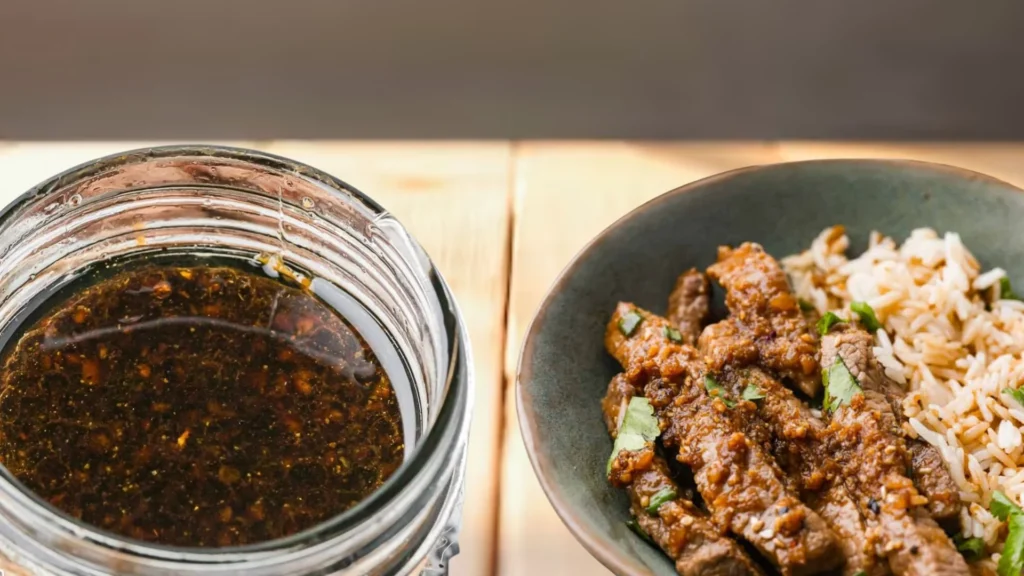
Hibachi Recipes with Japanese BBQ Sauce are grilled style meals featuring meat, vegetables, and rice cooked together with savoury, slightly sweet Japanese barbecue flavours.
I made this Hibachi Recipes with Japanese BBQ Sauce because hibachi food always felt special from my past kitchen experience cooking Asian inspired meals at home and for family.
I first watched this Hibachi Recipes with Japanese BBQ Sauce being prepared at a restaurant style grill show and later online videos. That moment inspired practice, confidence, and creativity.
I will now show step by step how this dish comes together.
Can You Eat Hibachi Recipes with Japanese BBQ Sauce every day?
Hibachi Recipes with Japanese BBQ Sauce can be part of a regular diet, but eating it every day might not be the healthiest choice.
The combination of chicken, steak, vegetables, and rice provides protein, fiber, and essential nutrients, yet the sauce adds sugar, sodium, and fat.
Frequent consumption could lead to higher calorie intake or impact heart health over time. Including a variety of meals that are lighter or lower in sodium and balancing this dish with fresh vegetables, fruits, and whole grains helps maintain overall nutrition while still enjoying its flavor.
How To Prepare Hibachi Recipes With Japanese BBQ Sauce?
Recipe Overview
Preparation Time: 20 minutes
Cooking Time: 20 minutes
Total Time: 40 minutes
Course: Main Course
Cuisine: Japanese Inspired / Hibachi Style
Yield: 4 servings
Equipment Needed
- Large flat skillet or griddle (hibachi style if available)
- Mixing bowls
- Spatula or wooden spoon
- Chef’s knife
- Cutting board
Ingredients
Hibachi Base
- 454 g chicken breast, cut into bite-size pieces
- 454 g beef steak (sirloin or strip), cubed
- 120 g zucchini, sliced
- 70 g mushrooms, sliced
- 80 g onion, cut into chunks
- 300 g broccoli florets
- 28 g vegetable oil
- 28 g butter, divided
- 320 g cooked rice, chilled
- 3 large eggs, beaten
- 150 g frozen peas & carrots, thawed
- 6 g garlic, minced
- Salt and black pepper, to taste
Japanese BBQ Sauce
- 45 g soy sauce
- 30 g oyster sauce
- 15 g ketchup
- 12 g brown sugar
- 7 g honey
- 5 g rice vinegar
- 2 g sesame oil
- 30 g Japanese BBQ sauce (e.g., Bachan’s)
How To Make This Sauce?
Step 1: Make The Sauce
In a small bowl, mix together the soy sauce, oyster sauce, ketchup, brown sugar, honey, rice vinegar, sesame oil, Japanese BBQ sauce, and minced garlic until smooth. Set it aside for later.
Step 2: Cook The Meat
Heat 1 tablespoon of vegetable oil in a large skillet over medium high heat. Add the chicken and steak, season with salt and pepper, and cook for about 5–7 minutes, stirring occasionally, until browned and fully cooked. Transfer to a plate and set aside.
Step 3: Cook The Vegetables
Using the same skillet, add the remaining oil and butter. Toss in the broccoli, zucchini, mushrooms, and onion. Cook for 4–5 minutes, stirring often, until the vegetables are tender but still have a bit of crunch.
Step 4: Fry The Rice
Move the vegetables to one side of the pan. Pour the beaten eggs into the empty space and scramble until just set. Add the rice along with the peas and carrots, then mix everything together and cook until heated through.
Step 5: Bring It All Together
Add the cooked chicken and steak back into the skillet. Pour the sauce over everything and stir well so all the ingredients are evenly coated. Let it cook for another 3–4 minutes to let the flavours come together.
Step 6: Finish And Serve
Taste and adjust with more salt or pepper if needed. Serve hot straight from the pan.
Nutrition Facts Of Hibachi Recipes with Japanese BBQ Sauce
| Nutrition | Amount |
|---|---|
| Calories | 520 kcal |
| Protein | 38 g |
| Carbohydrates | 42 g |
| Fat | 22 g |
| Fiber | 5 g |
| Sugar | 8 g |
| Sodium | 980 mg |
About This Recipe
Hibachi Recipes with Japanese BBQ Sauce stand out for their bold umami flavor and fast, high-heat cooking method.
The main speciality of this Hibachi Recipes with Japanese BBQ Sauce is how simple ingredients like chicken, steak, vegetables, and rice are transformed into a rich, restaurant style meal through teppanyaki cooking.
The Japanese BBQ sauce is key, delivering a perfect blend of savoury, sweet, and slightly smoky notes that coat every bite.
This Hibachi Recipes with Japanese BBQ Sauce with Japanese BBQ Sauce is loved for its sizzling presentation, balanced taste, and ability to bring authentic hibachi style dining into the home kitchen.
Healthy Nutrition Benefits
➤ Lean Protein Support
Hibachi dishes often include chicken steak or shrimp that provide high quality protein to support muscle strength energy levels and overall body repair while keeping meals filling and balanced.
➤ Rich Vegetable Intake
Common hibachi vegetables like broccoli zucchini mushrooms onions carrots and peas supply fiber vitamins and antioxidants that support digestion immune health and heart function.
➤ Controlled Portion Cooking
Hibachi cooking relies on quick high heat preparation which helps preserve nutrients while avoiding heavy breading or deep frying keeping calories and fats more controlled.
➤ Balanced Flavor Without Excess Sugar
Japanese BBQ sauce adds deep savoury flavor so less sauce is needed compared to heavier Western styles helping reduce overall sugar intake while still enjoying bold taste.
➤ Healthy Fat Inclusion
Small amounts of sesame oil and vegetable oil contribute beneficial fats that help absorb fat soluble vitamins and support brain and heart health while keeping the dish satisfying.
Usage Suggestions
1. Serve Over Steamed Rice
Layering hibachi protein and vegetables on a bed of fluffy rice so the sauce soaks in enhances every bite and creates a filling meal.
2. Wrap In Lettuce Leaves
Use crisp lettuce leaves to hold the protein and vegetables, creating a light handheld option that adds crunch and freshness.
3. Combine In A Bowl
Mix cooked hibachi ingredients into a grain bowl with quinoa or brown rice for a nutrient-dense meal that balances protein, fiber, and veggies.
4. Top Noodles Or Soba
Pour hibachi and sauce over cooked noodles or soba for a savoury dish that blends textures and flavours in every forkful.
5. Include In Bento Boxes
Pack portions of hibachi protein, vegetables, and a small amount of rice into a bento style container for a convenient, flavourful, and balanced meal on the go.
Hot Tips For Hibachi Recipes with Japanese BBQ Sauce
➢ Use cold cooked rice straight from the refrigerator so the grains stay separate and lightly crisp instead of turning soft or sticky during cooking.
➢ Cook chicken and steak in batches over high heat to achieve proper browning and flavor without releasing excess moisture into the pan.
➢ Add Japanese BBQ sauce near the end of cooking to prevent sugars from burning and to keep the glaze glossy and balanced.
➢ Cut vegetables into similar sizes to ensure even cooking and maintain a crisp tender texture throughout the dish.
➢ Finish the dish with a small amount of butter and sesame oil at the end to enhance aroma and give the hibachi its signature richness.
Why This Hibachi Recipes with Japanese BBQ Sauce Is The Only One You’ll Need?
This Hibachi Recipes with Japanese BBQ Sauce brings together bold umami flavor and satisfying texture in a single skillet.
Tender chicken and steak cook evenly, vegetables stay crisp, and Japanese BBQ sauce creates a glossy savoury finish.
The fried rice absorbs every layer of seasoning, delivering balance and richness in each bite. Simple steps keep the process approachable while results feel polished and restaurant inspired.
Consistent flavor, hearty portions, and dependable results make this recipe a lasting favourite for home cooking.
Proper Storage
Proper storage helps maintain the flavor and texture of Hibachi Recipes with Japanese BBQ Sauce with Japanese BBQ Sauce. Allow the dish to cool completely before transferring it into airtight containers.
Store in the refrigerator for up to three days to keep it fresh and safe to eat. For longer storage, place portions in freezer safe containers and freeze up to two months.
Reheat gently on the stove top or microwave until warmed evenly for best taste.
Frequently Asked Questions
Can I Use Shrimp Or Tofu Instead Of Chicken And Steak?
Yes, shrimp or firm tofu can replace the meats and still work well with the vegetables and Japanese BBQ sauce.
Do I Have To Use Day Old Rice?
Day old rice is best because it is firmer and won’t turn mushy when stir-fried, but freshly cooked rice can be used if cooled first.
What Vegetables Work Best For Hibachi?
Broccoli, zucchini, mushrooms, onions, and peas and carrots are classic, but bell peppers and cabbage can be added.
How Spicy Is The Japanese BBQ Sauce?
It is mildly sweet and savoury, not spicy, but you can add chili flakes or sriracha if you prefer heat.
Can This Recipe Be Cooked In One Pan?
Yes, a large skillet or wok can handle all the steps, keeping cooking efficient and flavours combined.
Is This Recipe Healthy?
It provides a balanced mix of protein, vegetables, and carbs, though sodium can be high due to soy and BBQ sauce, so adjust as needed.
Conclusion
This Hibachi Recipe with Japanese BBQ Sauce was an easy, fun, and delicious success that I truly enjoyed making at home.
The flavours were rich, savoury, and just like restaurant style hibachi, but much simpler to prepare. I hope this recipe inspires you to try making hibachi in your own kitchen.
Hibachi Recipes with Japanese BBQ Sauce quick, satisfying, and perfect for any meal. Make Hibachi Recipes with Japanese BBQ Sauce soon, enjoy every bite, and let me know how delicious it turns out for you!
Here Are Some Quick BBQ Sauce Recipes You Might Enjoy
Low Salt BBQ Sauce: Tasty And Healthy
Easy Candied Jalapeno BBQ Sauce Recipe
Best Peach Jalapeno BBQ Sauce Recipe
Hibachi Recipes with Japanese BBQ Sauce

Equipment
- Large flat skillet or griddle (hibachi style if available)
- Mixing bowls
- Spatula or wooden spoon
- Chef’s knife
- Cutting board
Ingredients
Hibachi Base
- 454 g chicken breast cut into bite-size pieces
- 454 g beef steak sirloin or strip, cubed
- 120 g zucchini sliced
- 70 g mushrooms sliced
- 80 g onion cut into chunks
- 300 g broccoli florets
- 28 g vegetable oil
- 28 g butter divided
- 320 g cooked rice chilled
- 3 large eggs beaten
- 150 g frozen peas & carrots thawed
- 6 g garlic minced
- Salt and black pepper to taste
Japanese BBQ Sauce
- 45 g soy sauce
- 30 g oyster sauce
- 15 g ketchup
- 12 g brown sugar
- 7 g honey
- 5 g rice vinegar
- 2 g sesame oil
- 30 g Japanese BBQ sauce e.g., Bachan’s
Instructions
Step 1: Make The Sauce
- In a small bowl, mix together the soy sauce, oyster sauce, ketchup, brown sugar, honey, rice vinegar, sesame oil, Japanese BBQ sauce, and minced garlic until smooth. Set it aside for later.
Step 2: Cook The Meat
- Heat 1 tablespoon of vegetable oil in a large skillet over medium high heat. Add the chicken and steak, season with salt and pepper, and cook for about 5–7 minutes, stirring occasionally, until browned and fully cooked. Transfer to a plate and set aside.
Step 3: Cook The Vegetables
- Using the same skillet, add the remaining oil and butter. Toss in the broccoli, zucchini, mushrooms, and onion. Cook for 4–5 minutes, stirring often, until the vegetables are tender but still have a bit of crunch.
Step 4: Fry The Rice
- Move the vegetables to one side of the pan. Pour the beaten eggs into the empty space and scramble until just set. Add the rice along with the peas and carrots, then mix everything together and cook until heated through.
Step 5: Bring It All Together
- Add the cooked chicken and steak back into the skillet. Pour the sauce over everything and stir well so all the ingredients are evenly coated. Let it cook for another 3–4 minutes to let the flavours come together.
Step 6: Finish And Serve
- Taste and adjust with more salt or pepper if needed. Serve hot straight from the pan.
Notes
Nutrition Facts Of Hibachi Recipes with Japanese BBQ Sauce
Calories: 520 kcal | Protein: 38 g | Carbohydrates: 42 g | Fat: 22 g | Fiber: 5 g | Sugar: 8 g | Sodium: 980 mgHi, I’m Samia! I’ve spent the past five years creating recipes that are both delicious and unique. Cooking is my passion, and I love exploring different cuisines, blending flavors, and turning everyday meals into something memorable. From quick weeknight dinners to festive feasts, I aim to make every dish special. I’d love for you to join me on this culinary journey together we’ll explore simple, easy-to-follow recipes and tips that make cooking fun, inspiring, and full of joy!